


24 October 2026, Mumbai :Dr Mangi Lal Jat, Secretary, Department of Agricultural Research and Education (DARE) and Director General, Indian Council of Agricultural Research (ICAR), visited ICAR–Central Institute of Fisheries Education (ICAR-CIFE), Mumbai, to review the institute’s infrastructure, research, academic activities and technological initiatives, with a focus on translating scientific advancements into tangible benefits for the fisheries and aquaculture sectors.
During his visit to the Versova campus, Dr Jat reviewed the existing infrastructure and ongoing reconstruction and renovation activities in view of the proposed demolition of certain structures by the Brihanmumbai Municipal Corporation (BMC). He interacted with BMC officials and received the official document regarding the allotment of new land adjacent to the CIFE, Yari Road campus.
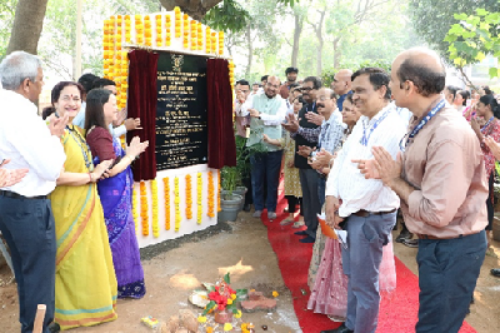
At the new campus, Dr Jat laid the foundation stone for the expansion of the girls’ hostel and named the facility “Minakshi”. He inspected the hostel infrastructure and interacted with female students, encouraging them to develop leadership qualities and strengthen professional networks with overseas alumni to explore postdoctoral opportunities in fisheries and aquaculture.
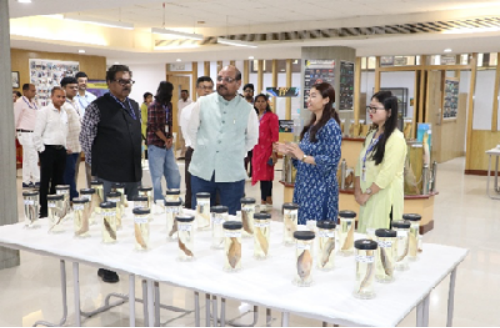
Dr Jat also visited the Aquatic Biodiversity Museum and Repository, which houses specimens representing more than 550 aquatic species, including finfish, shellfish, molluscs, crustaceans, corals, sharks, seaweeds, mangroves and other invertebrates. The facility also showcases fishing gear and craft models and integrates digital learning tools, including virtual reality (VR) and augmented reality (AR), to promote awareness of aquatic biodiversity and strengthen fisheries education.

At the Dr S. N. Dwivedi Aquaculture Complex, Dr Jat reviewed the institute’s aquaculture facilities and technological initiatives, including the renovated public aquarium, recirculatory aquaculture system (RAS), automated solar feed dispenser, CIFE-Cool, AI bin and breeding unit. He emphasized the need to translate research outcomes into economically viable, farmer-friendly and sustainable technologies that can be effectively adopted by the fisheries sector.
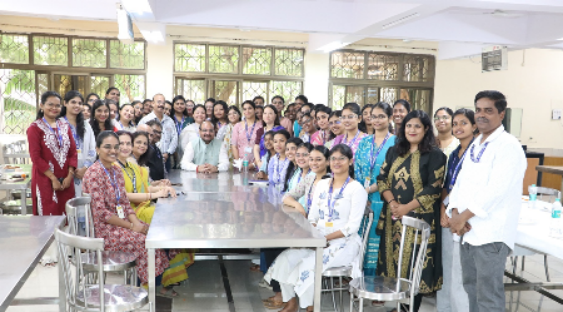
Subsequently, Dr Jat interacted with scientists from ICAR-CIFE and ICAR-CMFRI, along with students, technical and administrative personnel, and research scholars, at the committee hall of the academic building.
Dr N. P. Sahu, Director, ICAR-CIFE, presented the institute’s major achievements in research, academics, technological innovation, scientific publications and entrepreneurship.

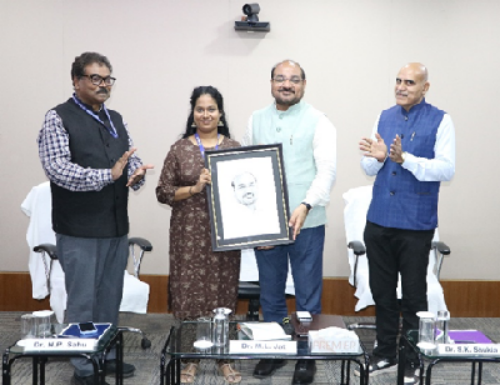
Addressing the institute community, Dr Jat underscored the importance of strengthening human capital to contribute to the vision of Viksit Bharat and ensuring measurable societal and economic outcomes from scientific research. He called for fostering innovation and entrepreneurship to address emerging challenges in fisheries and aquaculture, while emphasizing the role of strong alumni networks and regular alumni meets in facilitating professional collaboration, knowledge exchange and career development.
Highlighting the need to align skilled human resources with the sector’s evolving requirements, Dr Jat advised the institute to assess and quantify existing skill gaps and determine the additional number of fisheries graduates required to support the growth of the blue economy. Responding to students’ requests for expanding Agricultural Research Service (ARS) disciplines to accommodate specialized areas within the mainstream research framework, he acknowledged the concern in the broader ARS reallocation framework being discussed with Subject Matter Divisions (SMDs). He emphasized aligning human resource development and research specialization with the emerging needs of fisheries and aquaculture.

Dr Jat called for preparing a comprehensive document projecting fisheries manpower requirement for 2030 and 2047, assessing the current supply and state-wise gaps, and evaluating the return on investment in human capital development against the cost of inaction. He advised that the document be submitted to NITI Aayog, the Ministry of Animal Husbandry & Fisheries, and other relevant bodies to support informed planning and policy decisions.
In his concluding remarks, Dr Jat encouraged scientists and students to pursue research excellence and ensure that scientific advancements deliver tangible benefits to fish farmers and other stakeholders. The visit reaffirmed ICAR-CIFE’s commitment to excellence in fisheries education, research, extension and entrepreneurship, strengthening its role in advancing the sustainable development of India’s fisheries and aquaculture sectors.
The meeting was attended by Dr S. K. Shukla, Director, ICAR-CIRCOT; scientists and staff from ICAR-CMFRI; and other officials.
(Source: ICAR-Central Institute of Fisheries Education, Mumbai)